The first hard freeze changes everything under your dog's feet. Sidewalks that were soft in October turn into abrasive slabs, snow packs into the spaces between the toes, and the grit spread to keep people upright can leave a chemical burn on a paw pad that nobody notices until the licking starts. Winter paw care is less about one heroic product and more about a routine you repeat after every walk: rinse, dry, check, protect. It takes three minutes and prevents a lot of limping.
Why Winter Is Hard on Paw Pads
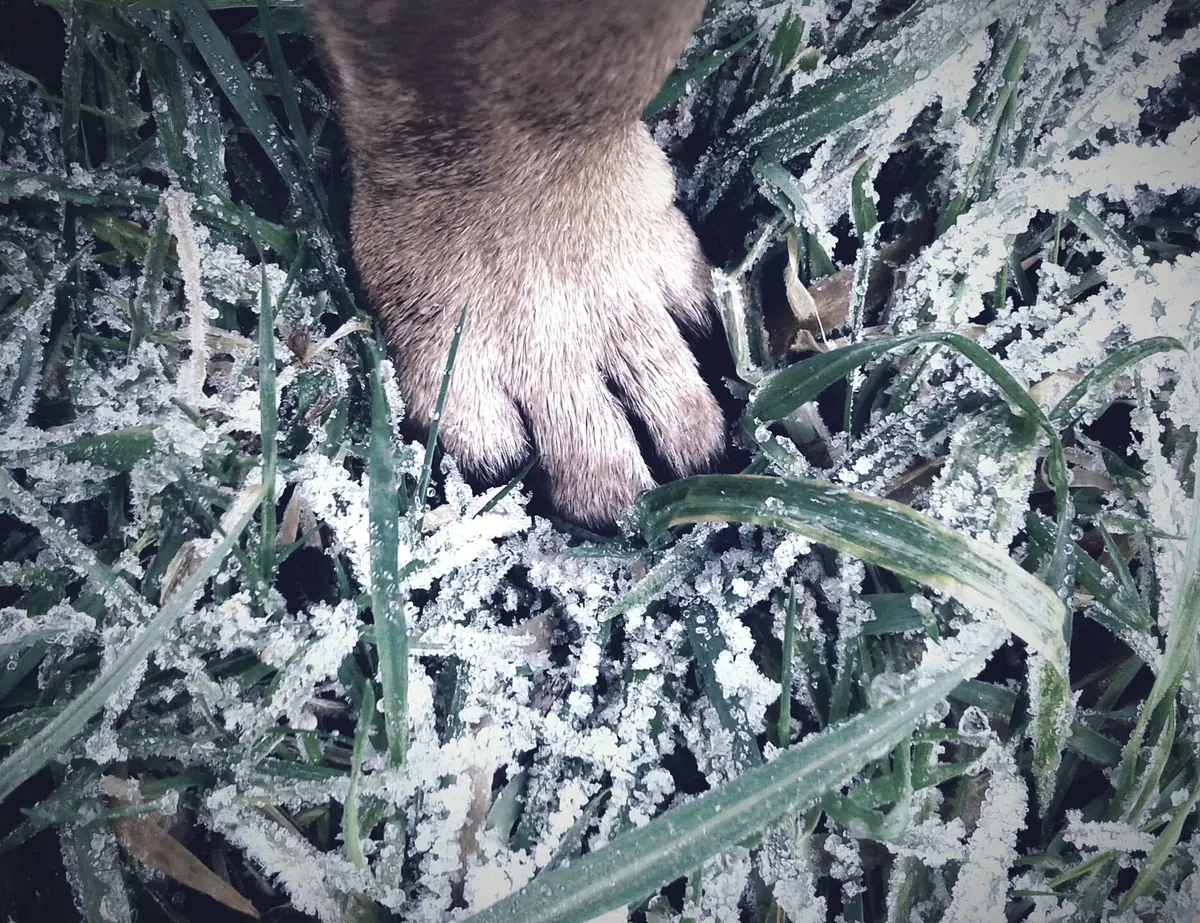
A dog's pads are built for rough ground, but they are still skin, not armor. Ice is abrasive, and the freeze-thaw cycle leaves sidewalks scattered with small, sharp chunks. Snow packs into the hair between the toes, where body heat melts it and the cold refreezes it into a hard ball that presses on the webbing with every step.
Then there is what gets spread on the ground. Salt and chemical de-icers sit on the pads and stay there until your dog licks them off. Indoors, dry heat pulls moisture from skin, so pads that were already roughed up by cold wind start to crack at the edges. Cracks are painful, and they open the door to infection.
Rinse After Every Walk, Not Just the Messy Ones
The most useful habit is also the simplest: rinse the paws as soon as you come inside. A clear-looking sidewalk still carries residue, and a thin film of salt is much harder to spot than slush.
Use lukewarm water. Hot water stings cracked pads. A shallow plastic tub by the door, a pitcher, or a bowl and a washcloth all work equally well. Work your fingers between the toes and around the edges of the pad, because that is where grit hides. If your dog will not stand still for a full rinse, do one paw at a time with a wet cloth and reward between paws. On a muddy, slushy day, expect to rinse twice.
Resist the urge to let your dog lick the salt off. That is how a paw problem becomes a stomach problem.
Dry, Then Look at What You've Got
Water left between the toes keeps the skin soft and creates exactly the warm, damp conditions that yeast and bacteria enjoy. Towel dry thoroughly, then spend thirty seconds actually inspecting.
What to check after a winter walk
- Cuts, splits or deep cracks in the pad itself
- Redness, swelling or a sour smell between the toes
- Ice balls or packed snow caught in the fur
- Chewed or licked spots, which usually mean irritation started before you noticed
- Grit, ice shards or road debris trapped against the skin
- A pad that looks flattened, torn or is bleeding
Minor dryness can often be handled at home with a gentle clean and a pet-safe balm. Anything bleeding, deeply split or clearly painful deserves a veterinarian's attention, and sooner rather than later. Paw injuries heal slowly when a dog keeps walking on them.
Moisturize With the Right Product and the Right Timing
Balm is not a substitute for rinsing, and it is not a treatment for a wound. Used well, though, it keeps pads supple enough to resist cracking through the coldest weeks.
Choose something made for dogs. Human hand lotions often contain fragrance, alcohol or other ingredients that sting on broken skin or are risky if licked off. If you are unsure whether a product is suitable, ask your vet before using it.
Apply a thin layer and massage it in. Time it for the evening or after the last walk of the day so it can absorb, because balming right before a walk can leave pads soft and slippery at precisely the wrong moment. Do not apply balm to broken or oozing skin without veterinary advice.
Protection on the Walk Itself
Boots offer the most complete protection and are the hardest sell. Fit matters more than brand: snug enough not to twist, roomy enough for toes to spread, with no rubbing at the dewclaw or the back of the heel. Let your dog wear them indoors for a few minutes at a time before you attempt a real walk.
Wax-based paw protection is a good middle ground for dogs who will never accept boots. It helps stop snow from balling up in the fur, and it needs reapplying on longer outings.
A few other practical moves:
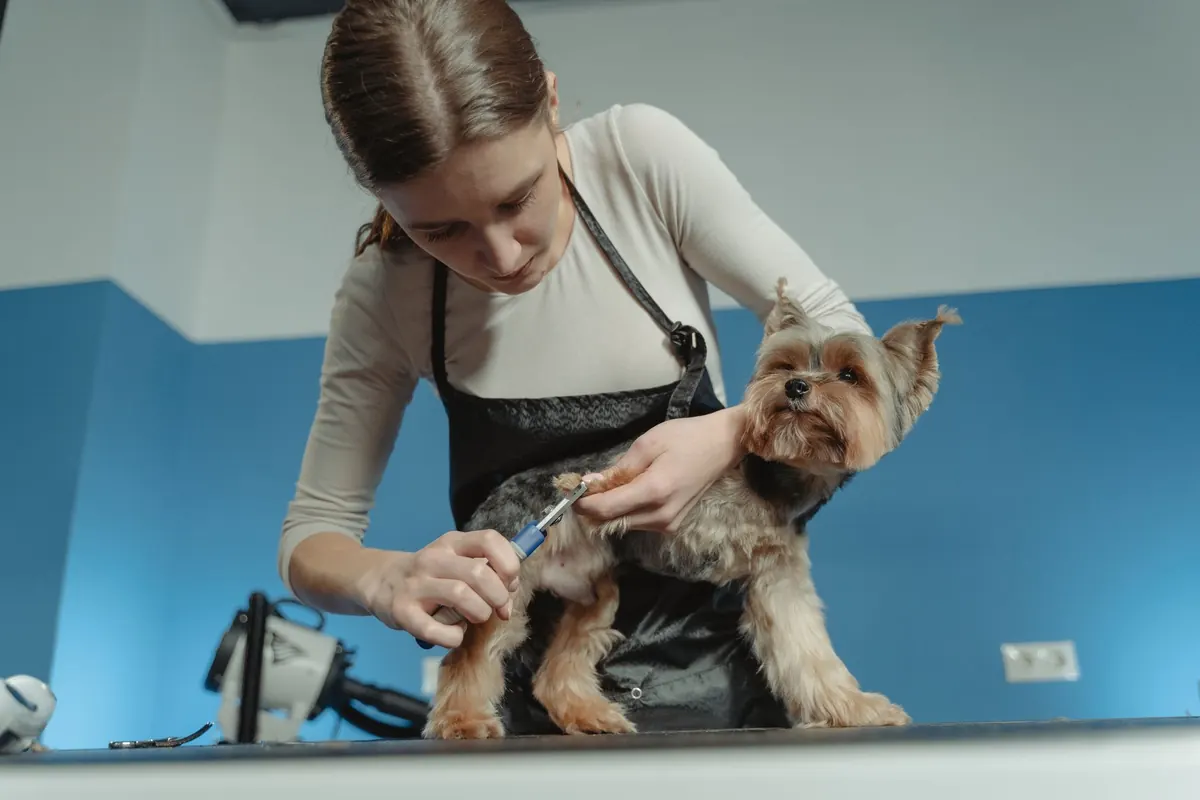
- Keep the hair between the pads trimmed short. Aim for tidy, not bare, and never cut into the webbing.
- Choose packed snow, grass verges or quiet side streets when the main roads have just been treated.
- Rinse immediately if your route crosses a salted driveway or parking lot.
- Shorten walks on the harshest days and split them into two outings instead of one long one.
Signs of Ice-Melt Irritation
De-icers vary in how harsh they are, but many are irritants and some are more serious if swallowed. Watch for:
- Excessive licking or chewing at the paws
- Sudden limping, or flinching when feet are touched
- Pads that look red, raw, blistered or peeling
- Drooling, vomiting, diarrhea, lethargy or tremors after licking or eating ice melt
For irritated but intact paws, rinse well with lukewarm water and keep your dog from licking while the skin settles. If the pads are blistered, bleeding or clearly painful, or if your dog has swallowed a significant amount of de-icer or shows any of the body-wide signs above, contact your vet or a pet poison helpline right away rather than waiting to see whether it passes.
A Three-Minute Winter Routine
Keep it in the same order every time, so it becomes automatic for both of you:
- Rinse paws in lukewarm water, between the toes included.
- Dry thoroughly with a dedicated towel.
- Look at each pad and the webbing between toes.
- Balm at night if pads are dry or rough.
- Boots or wax for long walks and treated routes.
Most winter paw problems are not dramatic. They build quietly over a few weeks of salt, snow and dry indoor air, and they show up as a dog who suddenly refuses the last block of the walk. Three minutes at the door is cheap insurance. If your dog's pads are already cracked, sore or slow to heal, bring in a veterinarian instead of experimenting — and ask them which balm and boot combination suits your dog's feet and your neighborhood.
Photo: Darcy Lawrey / Pexels