A puppy coming home is a little like bringing a newborn through the front door: everyone is excited, nobody has slept well, and someone is about to chew the corner of a rug. The difference is that most of it can be planned in advance.
You do not need to buy out the pet store. You need the room your puppy will sleep in to be ready, the floor they will eat on to be washable, and a leash hanging by the door. Everything else can arrive in week two, once you know whether you have a shredder, a digger, or a professional napper.
Set Up Zones, Not One Giant Shopping List
Before you spend anything, walk through your home at knee height. That is the world your puppy will explore with their mouth. Charging cables, houseplants, shoes, kids' toys, medication, and a kitchen trash can without a lid are all fair game.
Then pick three destinations: where the puppy sleeps, where the puppy eats, and where the puppy goes to the bathroom. Buy for those three spots first. Gates and cord covers cost less than a replaced phone charger or a vet visit for a chewed-up houseplant.
The bare-minimum first purchase
- A crate or exercise pen, sized with a divider if the puppy is still growing
- A flat collar with an ID tag printed with your phone number — do this even if the puppy is microchipped, since registration takes time
- A four-to-six foot leash (skip the retractable kind for now)
- Two bowls: one food, one water
- The food the breeder or shelter has been feeding
- Six to eight toys in different textures — rubber, rope, plush, and something to chew
- Washable bedding and an enzymatic cleaner
The Landing Zone
The car ride home is where a lot of first-day chaos happens. Bring a crate or a harness with a seatbelt attachment, a towel, and paper towels. Put the collar on before you leave the pickup location, not after you get home.
When you arrive, carry the puppy straight to the toileting spot. Do not set them down in the hallway to greet everyone. The first thing that happens should be a successful outdoor bathroom trip, followed by quiet praise and a treat. Then go inside.
Keep a small basket by the door: leash on a hook, a towel for muddy paws, a roll of poop bags, and a jar of pea-sized treats. You will reach for all four of those roughly forty times in the first week.
The Kitchen and Feeding Station
Ceramic or stainless steel bowls are easier to sanitize than plastic, and a shallow bowl suits small breeds better than a deep one. Put a mat with a raised edge underneath — puppies eat like they are being timed.
Stick with the food your puppy already knows for the first week. If you plan to switch brands, do it gradually over a week or more and check with your vet about amounts and timing. Puppies generally eat three to four small meals a day rather than one large one, which also makes potty scheduling more predictable.
Useful extras here: an airtight food container (keep the original bag for the best-by date), a measuring cup, a treat pouch for training, and a rubber food toy or puzzle feeder for the moments you need ten quiet minutes. Soft, small training treats work better than biscuits you have to break apart.
The Living Room and Play Area
This is where supervision happens, so set it up for your own comfort. An exercise pen gives you a safe zone while you cook or answer email. A tether or baby gate keeps the puppy nearby without full run of the house.
Toys work harder when you rotate them. Keep four or five out and store the rest; swap them every few days and they feel new again. Include one toy for chewing, one for tugging, one for fetching, and one soft comfort toy for settling.
Also worth doing now: cover the couch with a washable throw, put the trash can behind a cabinet door, and pick up socks and underwear. Those two items cause more emergency calls than almost anything else in a house.
The Bedroom and Crate Setup
Buy a crate that fits your puppy's expected adult size and use the divider panel to shrink it while they grow. Too much space invites a bathroom corner. Line it with something machine washable, and skip anything expensive — accidents happen in the first weeks.
For the first few nights, put the crate beside your bed. Puppies settle faster when they can smell you, and you will hear them stir before they cry. A fan or white noise machine covers household sounds, and a small nightlight helps if you are getting up twice a night.
Set an alarm rather than waiting for a whimper. A young puppy often needs one or two overnight bathroom breaks. Ask your vet or the breeder how many to expect for your puppy's age, and keep water available but not unlimited right before bed.
The Bathroom, Grooming Kit, and Outdoor Gear
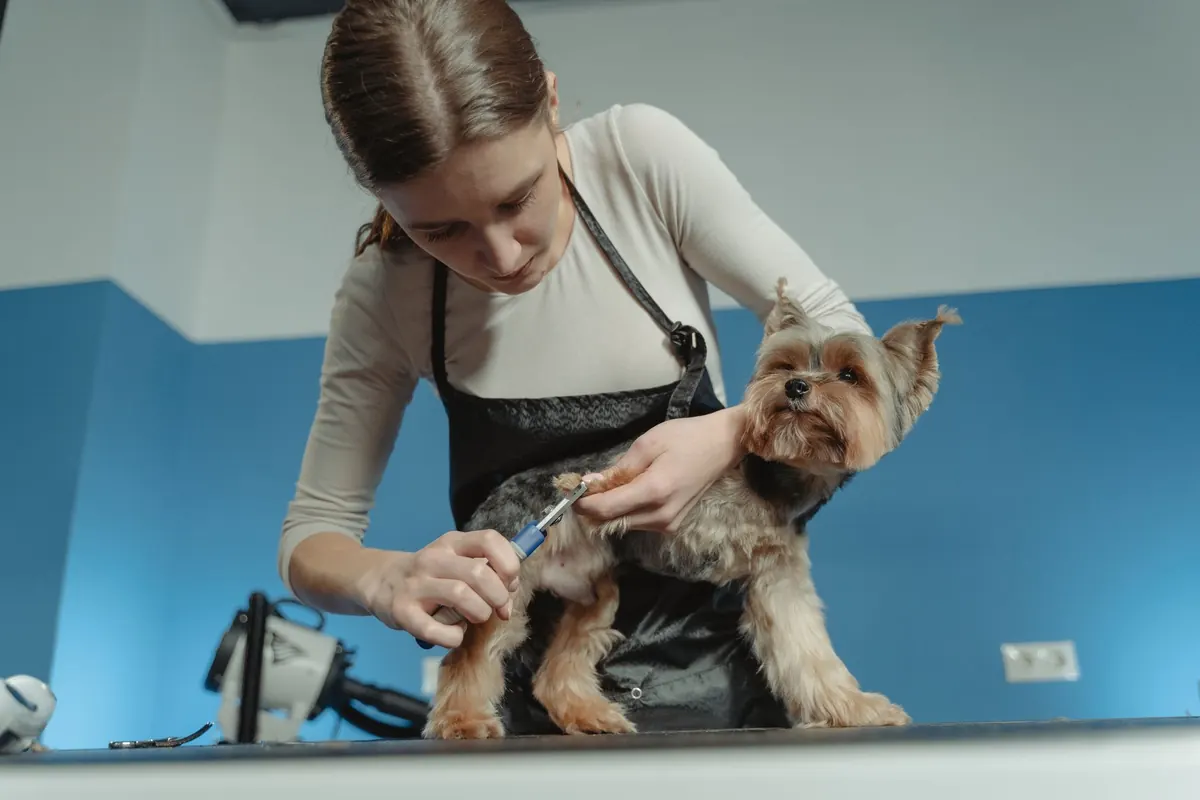
Grooming supplies depend on the coat. A short-haired puppy needs a rubber curry brush; a long-coated one needs a slicker brush and a metal comb. Add nail clippers or a grinder, a toothbrush with dog-formulated toothpaste (never human toothpaste), and a gentle puppy shampoo. Introduce these with a few seconds of handling at a time, paired with treats, well before the first real bath.
For cleanup, keep an enzymatic cleaner, paper towels, washable pads, and a lidded bin in one place. For outdoors, you need a harness that fits snugly without rubbing, a long line for the yard, a poop bag holder, and an outdoor water bowl.
For the car, a crate or a crash-tested harness is safer than a loose puppy on a lap. And ask your vet when it is safe to visit parks and areas where unknown dogs walk — that advice depends on your puppy's vaccination schedule, so follow their guidance rather than a general rule.
Your First 72 Hours
Keep the first two days boring on purpose. No parade of visitors, no trips to the pet store, no long car rides. Puppies need sleep — often sixteen hours or more — and a quiet start pays off later.
- Pick up a supply of the current food when you collect your puppy.
- Set up the crate, pen, bowls, and gates before the puppy walks in.
- Go straight to the toileting spot, then inside to a small meal.
- Offer bathroom breaks every thirty to sixty minutes, plus after every meal, nap, drink, and play session.
- Start saying the puppy's name and rewarding eye contact. That is the whole training plan for day one.
- Book a vet visit for the first few days and note the nearest emergency clinic on the fridge.
- Log meals, bathroom trips, and sleep in a notebook or phone note — patterns show up fast.
What can wait: the designer bed, the full grooming kit, puppy clothes, an automatic feeder, and subscription boxes. Buy those once you know your dog. One exception worth researching early is pet insurance; if you decide to enroll, read the fine print about waiting periods carefully, and compare options before you need them. For anything involving your puppy's health, behavior, or coverage, a quick call to your vet is worth more than an hour of searching.
Photo: francescobovolin / Pixabay